

The moment a stem is cut, a flower begins a quiet race against time. Its water supply severed, it relies entirely on what you give it next. Most bouquets wilt far sooner than they should — not because of the flowers, but because of what happens after they arrive. With a few deliberate habits, it is possible to keep a bouquet fresh for up to two weeks. These ten tips come from professional florist practice, not folklore.
The Vessel Comes First — Tips 1 and 2
Bacteria is the primary reason cut flowers decline quickly. It colonizes dirty vases, clouds the water, and clogs stem vessels before the flowers have a chance to drink. Every other step you take is undermined if the vase is not clean.
Tip 1 — Sterilize before you fill.
Scrub the vessel with dish soap and warm water, then follow with a brief bleach rinse — a small capful in a full vase of water is sufficient — before emptying and drying it completely.
Tip 2 — Choose the right vessel for your blooms.
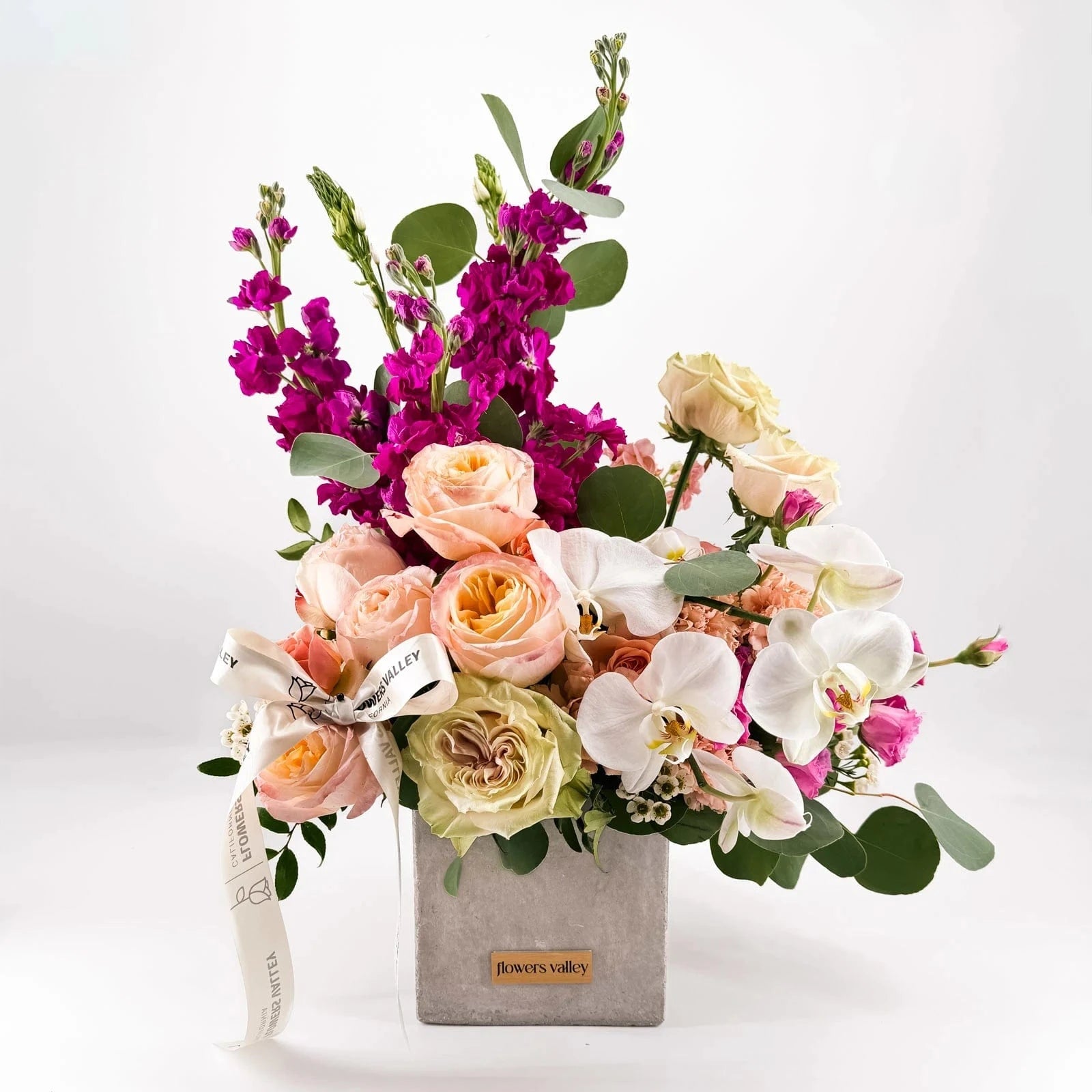
Tall, slender vessels suit fine-stemmed varieties — think ranunculus, sweet peas, anemones — where the glass wall acts as a gentle support. For fuller, weightier heads, a low and wide-mouthed vessel gives the arrangement room to breathe without tipping. If you prefer to display flowers in vases and want arrangements that hold their structure over time, vase selection is where longevity begins.


Cut and Condition the Stems — Tips 3 and 4
How you prepare the stems in the first hour determines how well the flowers hydrate for the rest of their vase life.
Tip 3 — Cut at a 45-degree angle.
Using sharp scissors or a clean floral knife, remove at least one inch from the base of each stem on a diagonal. The angled surface creates a larger opening for water absorption and prevents the stem from sealing itself flat against the vase bottom. Re-trim every two to three days to keep the vessels open.
Roses are prone to air bubbles forming inside their stems, which block the water channel. For rose bouquets, cut the stems under warm running water, or submerge the bottom two inches in a bowl and cut there — this prevents air from entering the vessel the moment the cut is made.
Tip 4 — Remove all submerged foliage.
Any leaf below the waterline will rot within a day or two, introducing bacteria into the water. As a rule of thumb, anything that would sit below the waterline once the stems are in the vase should come off before arranging. For tulips specifically, remove most of the lower leaves entirely — their stems are sensitive to bacterial buildup and will drink more efficiently without competing foliage.


Feed and Hydrate Your Flowers — Tips 5 and 6
Water alone is not enough. Once a stem is severed from its root system, the flower loses access to the soil nutrients it once drew on continuously — meaning what you add to the vase becomes its only source of nourishment.
Tip 5 — Use flower food — or make your own.
Most bouquets arrive with a small packet of floral preservative. These packets contain three components: sugar to feed the flowers, an acidifier to lower the water's pH, and a biocide to limit bacterial growth. Without one, the DIY recipe used by many florists works well: combine one teaspoon of sugar, one teaspoon of unscented bleach, and two teaspoons of lemon juice per quart of water. Pour the solution into the vase first, then settle the stems into it.
Tip 6 — Change the water every two days.
Each time, give the vase a quick rinse and add a fresh measure of flower food or your DIY mixture. Some blooms are particularly thirsty — sunflowers and hydrangea can drain a vase faster than you would expect. A quick glance each morning to see how much the water has dropped takes seconds and makes a real difference over the life of the arrangement.
Control the Environment — Tips 7 and 8
Where you place a bouquet matters as much as how you prepare it. Temperature, light, and airflow all affect how quickly cut flowers age.
Tip 7 — Keep flowers away from heat, drafts, and fruit.
A sunny windowsill may look like the natural home for a bouquet, but the heat it concentrates around the petals shortens their life considerably. Radiators, vents, and cold drafts from open windows do the same in different ways. Find a spot that is cool, shaded, and still. Fewer people think about the fruit bowl: even across a countertop, ripening fruit releases ethylene gas, an invisible plant signal that quietly pushes flowers toward the end of their bloom cycle ahead of schedule.
Tip 8 — Use the midnight chill method.
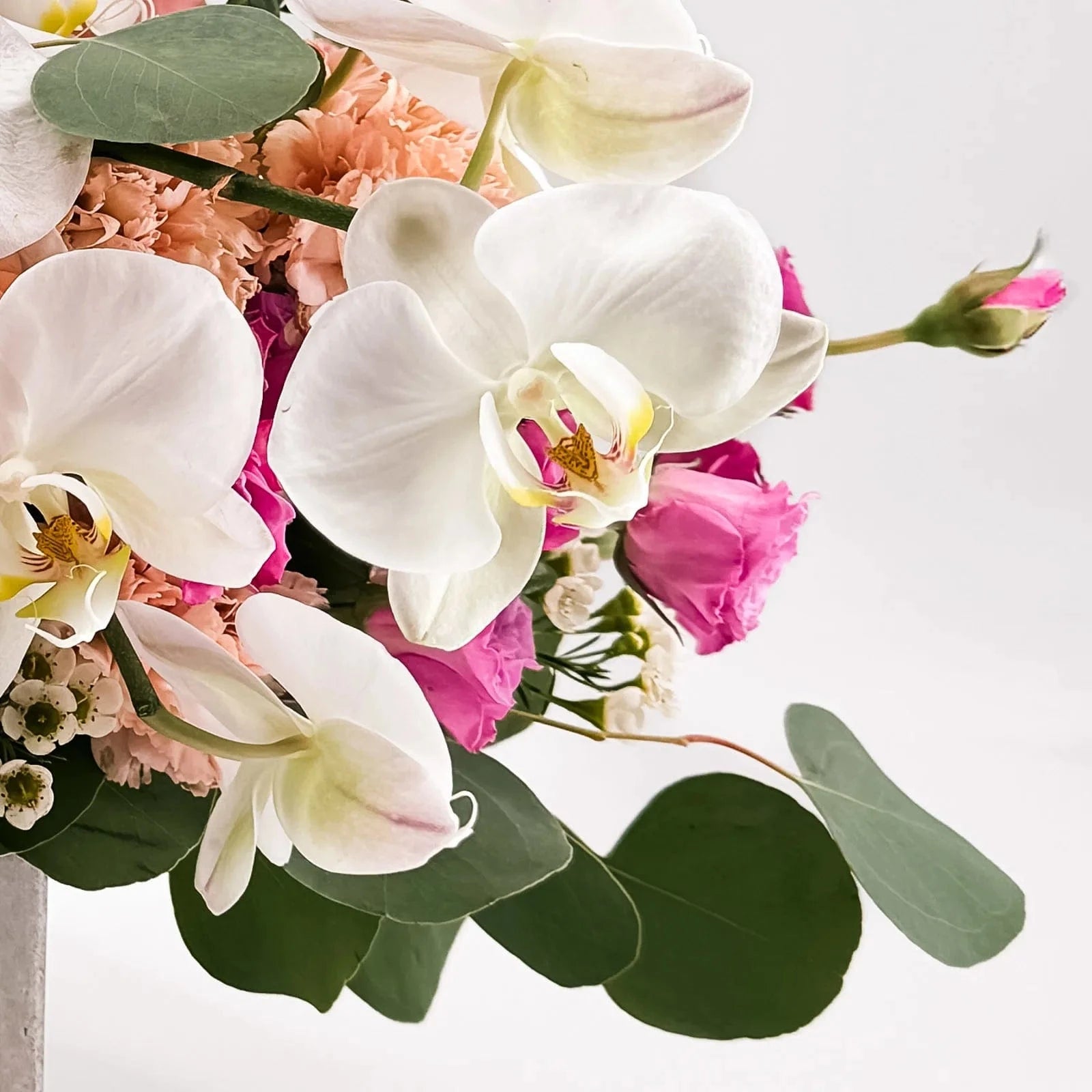
Place the entire arrangement in the refrigerator overnight, away from any fruit, for roughly eight hours. The cold slows the flowers' cellular respiration — a kind of gentle hibernation — and can nearly double their vase life when practiced consistently. Soft, dense-petalled varieties — roses, peonies, ranunculus — respond especially well to the overnight chill, holding their shape and color noticeably longer. For plants that naturally prefer stable, cool environments — such as orchid plants — consistent temperature control is what makes the difference between a bloom that lasts two weeks and one that lasts a month.


Bloom-Specific Care and Where to Order Fresh — Tips 9 and 10
Not every flower ages the same way. Knowing the particular needs of each bloom allows you to tailor your care and extend the life of the whole arrangement.
Tip 9 — Match your care routine to the bloom.
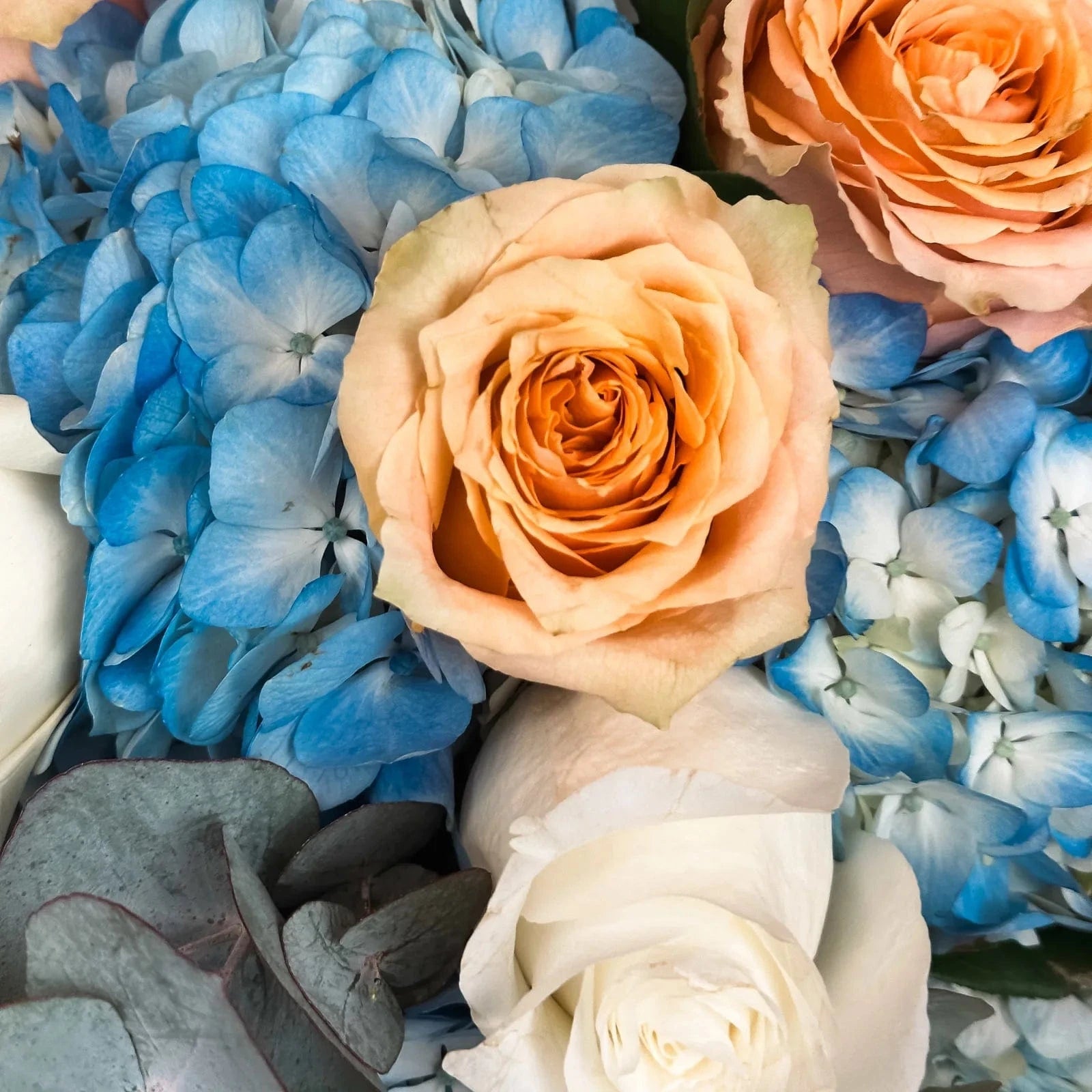
Roses — Cut underwater, use an opaque vase to limit UV exposure, refrigerate nightly. Vase life with proper care: 10 to 14 days.
Tulips — Cold water only; they prefer it over warm. Keep them apart from other flowers if possible, as they continue to grow in the vase and can shift an arrangement's shape. Vase life: 5 to 7 days.
Sunflowers — Thirsty and heat-sensitive. Check the water daily and keep them away from direct sun. Vase life: 7 to 10 days.
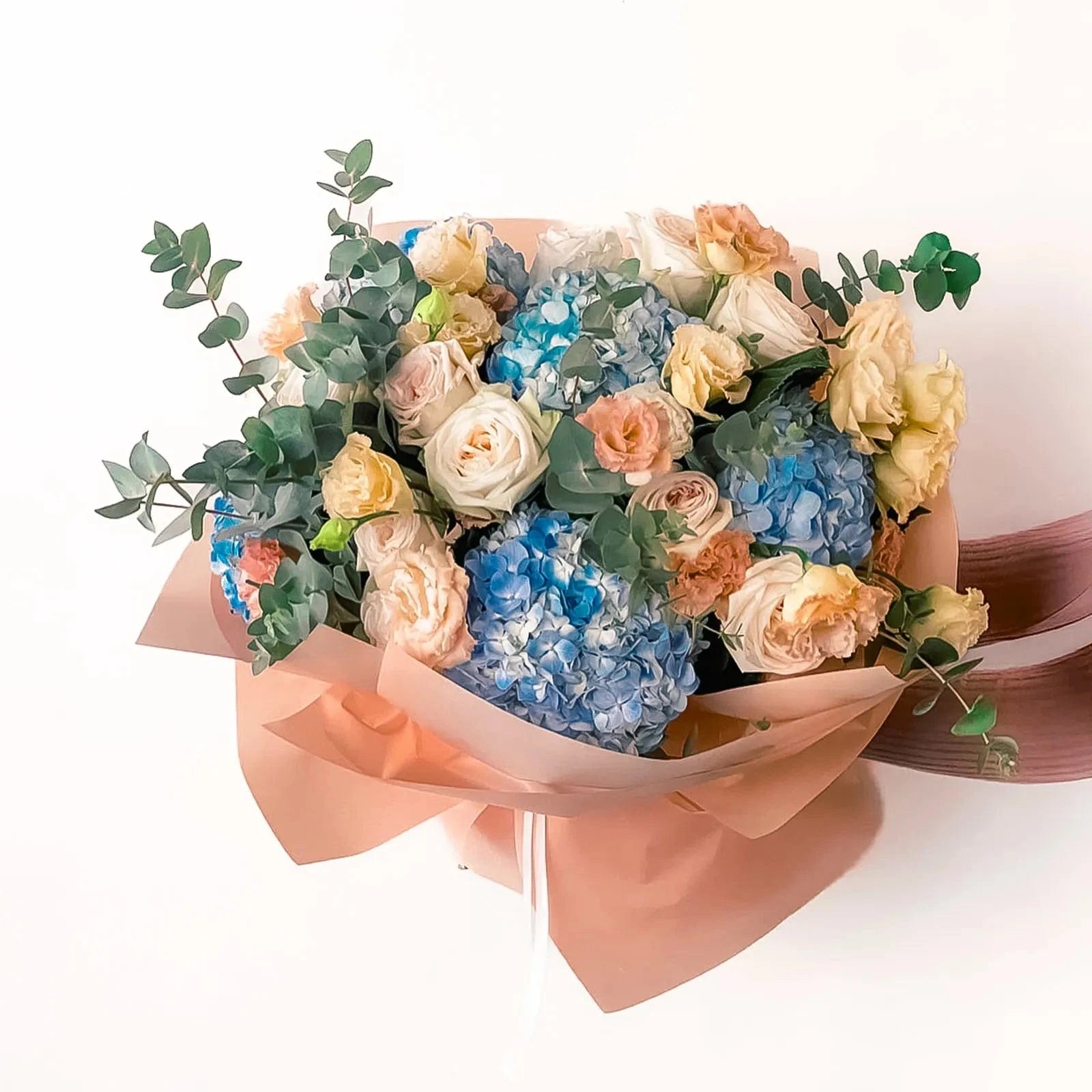
Hydrangeas — Among the thirstiest cut flowers. If they droop, submerge the entire flower head in cool water for 30 minutes. Vase life: 7 to 12 days with attentive watering.
Orchids — The most durable cut bloom. A stem of phalaenopsis in clean water, away from fruit and heat, can remain pristine for three weeks or more.
Tip 10 — Start with the freshest source you can find.
Every tip here works in proportion to how fresh the flowers are when care begins. A bouquet that has spent days in a warehouse has already used a significant portion of its vase life. Choosing same-day flower delivery means the longevity clock starts later and every hour of care counts for more.


Frequently Asked Questions
How often should you change the water in a flower vase?
Every two days for most cut flowers. Each time, rinse the vase, re-trim the stems by half an inch, and add a fresh measure of flower food. Thirsty blooms like sunflowers and hydrangeas benefit from a daily top-up between full changes.
Do flowers last longer in the fridge?
Yes — overnight refrigeration away from fruit is one of the most effective techniques florists use. Consistent nightly chilling can nearly double a bouquet's vase life compared to leaving it at room temperature around the clock.
How do you revive wilting flowers?
Re-cut the stems at an angle and submerge the flower heads in cool water for 20 to 30 minutes. Then move them to a clean vase with fresh water and flower food in the coolest spot in the room. Roses and hydrangeas tend to recover well; very delicate blooms may not fully bounce back.
What can I put in flower water to keep flowers fresh longer?
The floral preservative packet included with most bouquets is the most reliable option. Without one, combine one teaspoon each of sugar and unscented bleach with two teaspoons of lemon juice per quart of water. A quarter cup of clear lemon-lime soda or a crushed aspirin also works as a simple alternative.





0 comments