

Tulips are striking, elegant flowers known for their clean silhouette and brilliant variety of colors. With the ability to bloom into a full flower from a tight bud almost overnight, they bring both magic and sophistication to any arrangement.
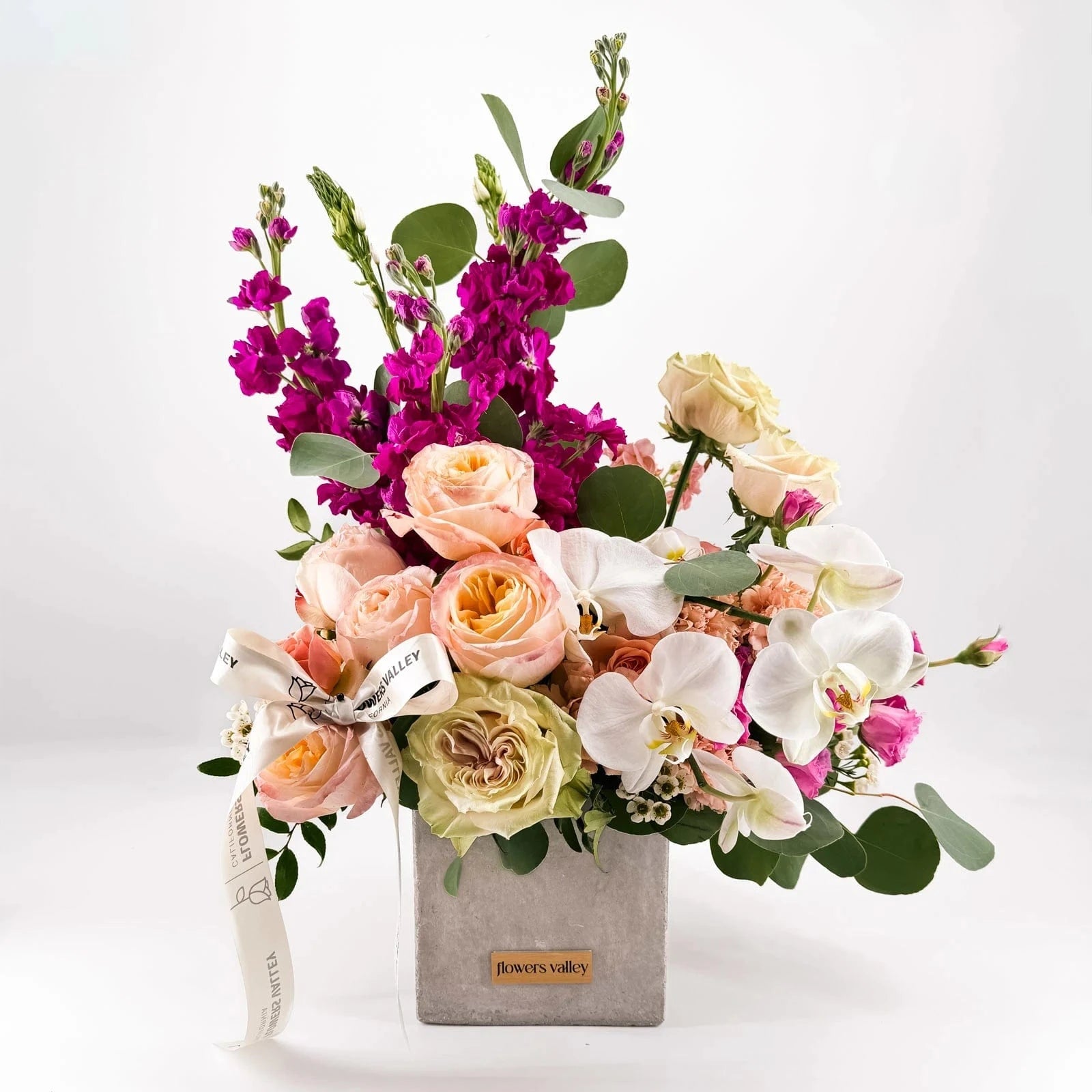
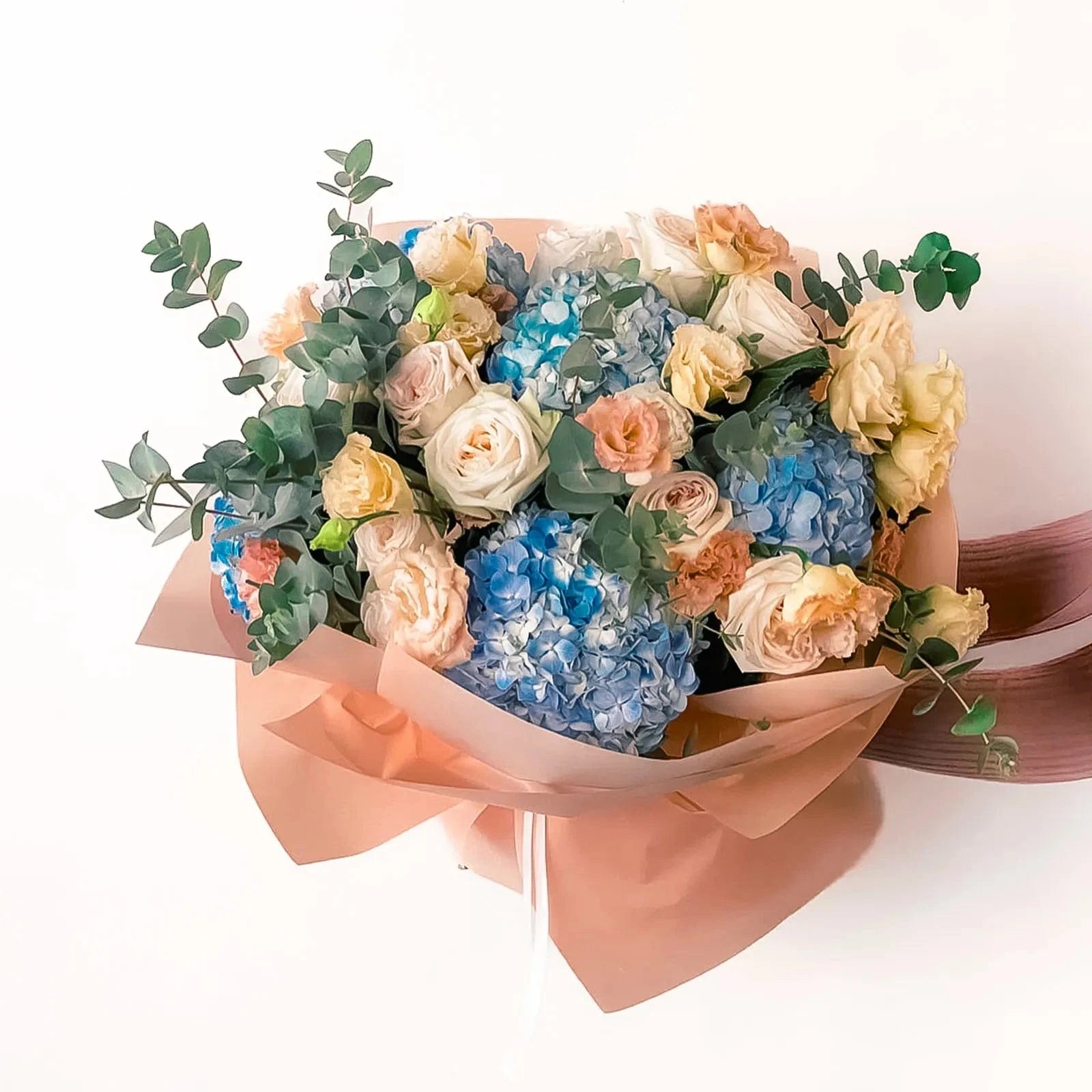
Shop stunning tulip arrangements at Flowers Valley.
While most people recognize the classic bell-shaped tulip, the fully opened flower reveals a softer, ruffled interior — ready for pollination and even more beautiful in its vulnerability. Tulips continue to grow even after being cut and placed in water, which is why it’s important to trim their stems every couple of days to prevent drooping.
They’re also light-responsive: tulips turn toward sunlight, opening during the day and gently closing at night. This natural rhythm makes them captivating to watch — and a rewarding flower to care for indoors or out.
Whether planted in your garden, arranged in a vase, or placed in decorative containers, tulips offer timeless appeal with modern flair.
The History of Tulips
Today, tulips are widely available, but they weren’t always so accessible.
These flowers originated in Central Asia, growing wild in the mountains of Kazakhstan. From there, they found their way to the Ottoman Empire, where they became beloved in the royal court. The name “tulip” comes from the Turkish word tulipan, meaning turban — a reference to the flower’s rounded, folded form.
In the 16th century, tulips were brought to Europe and quickly became a status symbol. During the infamous “Tulip Mania” in the Netherlands, rare tulip bulbs were traded at astronomical prices — sometimes worth more than a home. Although the market crashed, the tulip’s appeal never faded.
Botanist Carolus Clusius, director of the Hortus Botanicus in Leiden (Europe’s oldest botanical garden), was instrumental in cultivating tulips in Dutch soil. Thanks to his work, the Netherlands remains one of the world’s leading tulip producers today.
Tulips are still celebrated annually in Amsterdam and Istanbul — cities where this enchanting flower helped shape cultural identity.
What Tulips Symbolize
Perfect and deep love
Red tulips are the classic flower of passionate love and affection. Their simple elegance conveys a deep, honest emotion — ideal for romantic gestures.
Rebirth and new beginnings
As one of the first flowers to bloom in spring, tulips are natural symbols of renewal, growth, and hope. They’re perfect for celebrating a fresh start — whether it’s a new home, a baby, or a new chapter in life.
Charity and goodwill
During the Victorian era, tulips became a symbol of generosity. Their open petals and upright posture reflect warmth, honesty, and open-heartedness.
Interesting Fact
The coveted “flame” pattern seen in some tulips today is created through modern breeding, but during the height of Tulip Mania, this effect was caused by a virus. These unique streaked petals made the bulbs even more desirable — and expensive.
What Do Tulip Colors Mean?
Tulips come in nearly every shade — each color offering its own message. Here’s what they say:
-
Red tulips
Love, passion, and truth. The most iconic tulip color — bold and sincere. -
Orange tulips
Warmth, enthusiasm, and emotional connection. Historically given to resolve conflict. -
Yellow tulips
Once tied to jealousy, now they represent joy, cheerfulness, and friendship. -
Purple tulips
Royalty, luxury, and elegance. Rare and refined, they were once exclusive to royalty. -
White tulips
Purity, apology, and new beginnings. Ideal for weddings, spiritual milestones, or fresh starts. -
Pink tulips
Affection, caring, and congratulations. Great for celebrating milestones or expressing gentle gratitude. -
Blue tulips
Long considered mythical, blue tulips now exist in rare varieties. They symbolize tranquility, peace, and trust. -
Variegated tulips
Striped or flamed tulips express admiration and uniqueness — ideal for someone truly one-of-a-kind.
Whether you choose a single shade or a colorful mix, tulips allow you to say something personal and meaningful through color alone.
The Cultural Significance of Tulips
Few flowers have had such an impact on culture as the tulip. In the Netherlands, it’s a national icon. In Turkey, it’s believed to ward off evil and symbolizes divine beauty. In Persian and Islamic art, tulips are linked to love, martyrdom, and the spiritual soul.
Throughout centuries, tulips have appeared in art, literature, and even economic history — from the floral still lifes of Dutch masters to modern home décor. Margaret Atwood’s The Handmaid’s Tale used red tulips as a symbol of fertility and resistance. Sylvia Plath famously explored their surreal, intense presence in her poem Tulips.
Where to Learn More About Tulips
To deepen your appreciation, explore tulip collections at botanical gardens like the Royal Horticultural Society or visit the Dutch National Tulip Day celebration. Online resources from the National Trust or Islamic Arts Magazine also explore tulips in art, history, and religion.
The Perfect Flower for Every Occasion
Whether gifted in a pot, a fresh bouquet, or planted in the garden, tulips remain one of the most versatile and enchanting flowers. Their vibrant colors and layered meanings make them suitable for birthdays, anniversaries, housewarmings, or just to brighten someone’s day.
At Flowers Valley, we craft tulip arrangements with care, creativity, and intention — always fresh, always meaningful.
Send tulips today and let their beauty say what words cannot.




1 comment
Good Tulip https://suchathakur.wixsite.com/damnrasoi-maid-agenc