

A black flower bouquet used to be a niche request, mostly reserved for Halloween parties or gothic-themed weddings. That's changed. Search interest in black roses climbed 50 percent above the yearly average heading into 2026, according to a trend report from 1-800-Flowers, and the shift isn't limited to roses — dahlias, tulips, orchids, and ranunculus are all getting the same dark treatment this year. Here's what's behind the black flowers trend, which blooms are carrying it, and how to bring a black flower bouquet into your own arrangement.
Why Black Flowers Are Trending in 2026
For years, "trending" in floral design meant softer: blush, pastel, garden-style. The black flowers trend in 2026 moves the opposite direction, with deep purples, wine reds, and near-black blooms replacing the all-white bouquet as the more adventurous choice. Some of it traces back to weddings, where brides are increasingly willing to carry bolder color — sapphire blues and emerald greens have been showing up alongside the darker blooms, suggesting this is part of a wider shift toward saturated palettes rather than a one-off novelty. Some of it comes from a broader gothic romance aesthetic spreading across fashion, interiors, and now flowers: moody, a little theatrical, but still elegant rather than costume-like. Done well, a black flower bouquet reads as considered, not gimmicky. The Signature Collection leans into that same dark, modern palette without losing its polish.
Black Roses: The Bloom Leading the Trend
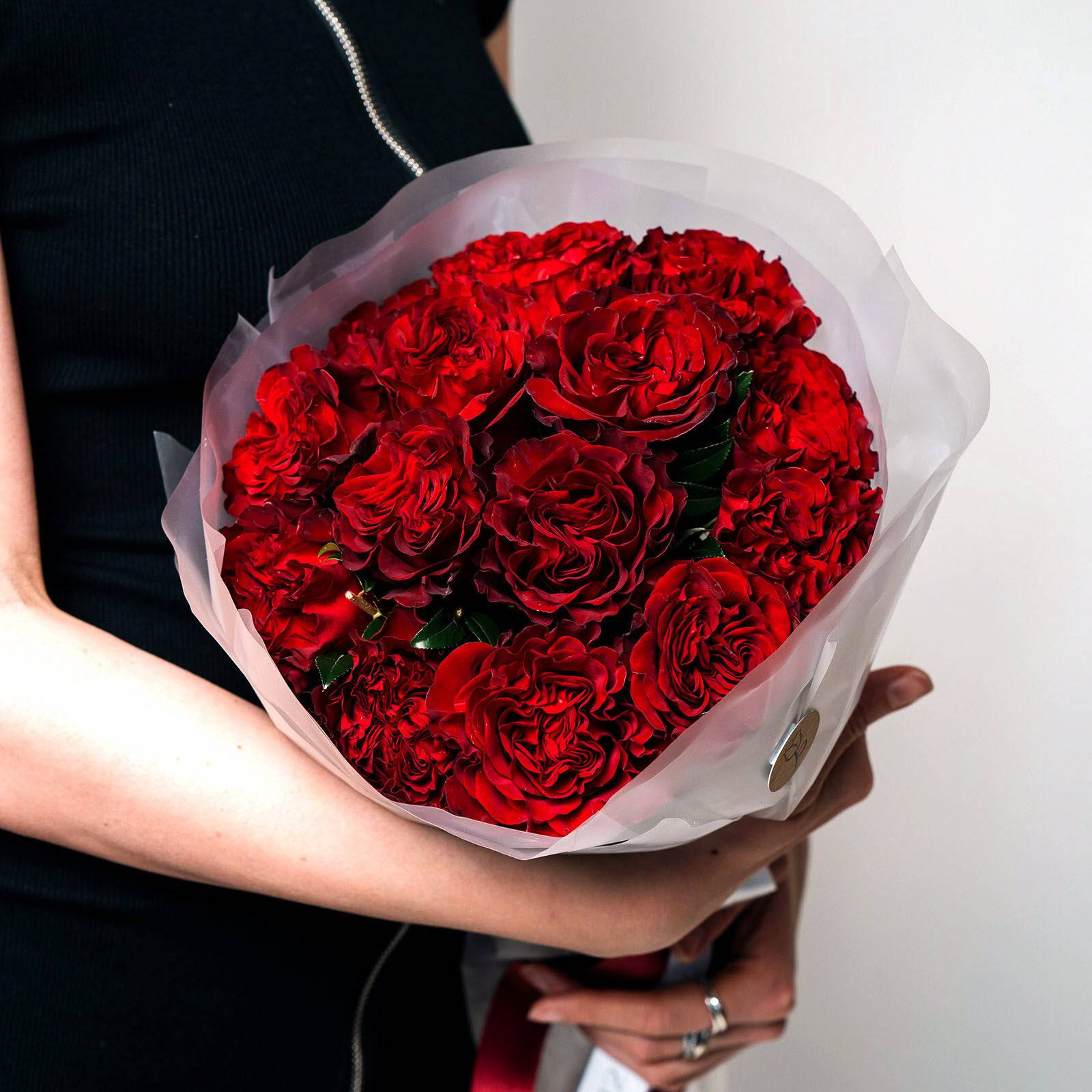
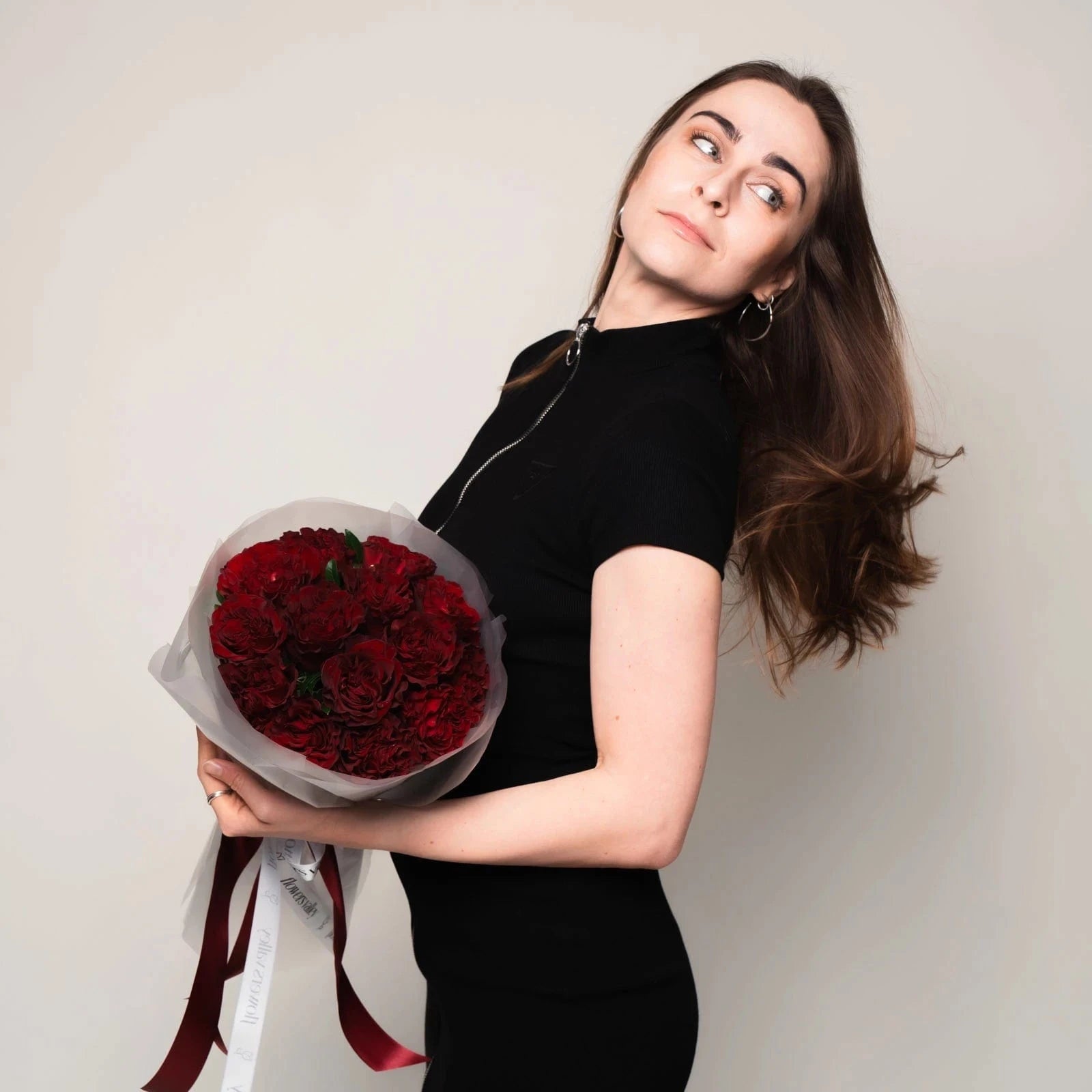
Black roses are the bloom most people picture first, and they're also the clearest data point behind the trend. Roses don't grow black on their own. A flower marketed as a black rose is almost always a deeply bred dark red, maroon, or burgundy variety — Black Baccara and Black Magic are the two most common — that only reads as black under certain light. Some are dyed instead, with lighter roses absorbing black floral dye through the stem. The symbolism has shifted too: black roses once meant farewell and mourning, but today they're just as often given to mark a transition worth celebrating — a new job, a big move, a reinvention. For anyone who wants the look without going fully dark, rose bouquets can be customized with darker varieties mixed alongside classic reds or whites, and most florists offer a range of stem counts so the look can scale from a single statement stem to a full dozen.

Beyond Roses: Black Dahlias and Tulips
Dahlias and tulips do some of the most interesting work in this trend. Black dahlias — Arabian Night and Black Knight among the more available varieties — bloom in a deep burgundy-black with the dahlia's signature layered, geometric petals, giving a bouquet a texture a smooth-petaled rose can't. A few dahlia arrangements built around this dark palette work well as a standalone gift or a focal bloom inside a larger arrangement. Tulips bring a different kind of drama, and a longer history. Queen of Night is the variety most associated with black tulips: a deep maroon-purple bloom so saturated it reads as black, especially planted in alternating rows with white or pale tulips for a striking light-and-dark contrast. The hunt for a true black tulip actually dates back centuries, to Dutch breeders competing to produce the darkest possible bloom, which is part of why the variety still carries an air of old-world rarity even now that it's widely available. Tulips are seasonal, but tulip bouquets built around darker varieties are one of the more accessible ways to try the look.

Black Orchids and Ranunculus for a Softer Dark Palette
Not everyone wants the full gothic statement, and roses or dahlias can feel like a big commitment for someone new to dark florals. Orchids and ranunculus offer a quieter way in. Dark orchid varieties run deep purple rather than true black, with a sculptural, minimal shape that reads as refined rather than dramatic. A handful of near-black orchid species exist as well, though these tend to live in specialty collections rather than everyday arrangements — proof of just how dark breeders have managed to take the color. For most home bouquets, the deep purple varieties work well in smaller arrangements or as a single statement stem, which makes orchid arrangements a good fit for anyone who wants the aesthetic without the volume. Ranunculus does something similar at a smaller scale — the darker, plum-toned varieties add depth to a bouquet without dominating it, usually working as a supporting bloom rather than the centerpiece. For something that leans moody without going fully dark, ranunculus bouquets are worth a look.
How to Shop and Gift Black Flowers This Season
Black flowers photograph well, but pure black-on-black tends to flatten in person. Most florists pair dark blooms with white, cream, or silver-toned greenery so the darker flowers have something to contrast against instead of disappearing into themselves. If you're buying for someone else, it helps to know the occasion first — a fully black arrangement reads very differently at a birthday than at a retirement dinner.
Halloween remains the biggest seasonal driver for black flowers, and timing a black rose or dahlia order around late October is one of the easier ways to use the trend without overthinking it. The Halloween Magic collection is built around exactly this kind of seasonal, slightly theatrical arrangement. Outside of October, black flowers work just as well for anniversaries or new-chapter gifts.
At home, dark blooms tend to look best in a clear or pale vase rather than a dark one, since contrast is what makes the flowers read as intentional instead of getting lost. A single contrasting bloom or a few sprigs of lighter greenery does more for a black flower bouquet than adding more dark flowers ever will.
If you're local to the Bay Area, Flowers Valley offers flower delivery in the San Francisco Bay Area, so a black rose or dahlia arrangement can reach its recipient the same day it's ordered.

Frequently Asked Questions
Are black flowers real, or are they dyed?
Both, depending on the flower. True black doesn't occur naturally — what's sold as black roses, dahlias, or tulips are very dark red, maroon, or purple varieties bred over years to get as close to black as possible. Some florists also offer dyed black flowers, where a lighter bloom absorbs black floral dye through the stem. Either way, they're genuinely fresh flowers; the difference is just how the dark color was achieved.
What do black flowers mean?
Mystery, transformation, and individuality are the most common associations today, though black roses still carry an older meaning tied to farewell.
What occasions are black flowers good for?
Halloween, gothic-styled weddings, birthdays, retirements, and any new-chapter moment — or simply as an alternative to a traditional bouquet for someone who prefers a bolder palette.
How long do black rose bouquets last?
About as long as any fresh-cut rose bouquet — typically five to seven days with proper care. Trim the stems at an angle, change the water every two days, and keep the bouquet out of direct sunlight. Preserved black rose arrangements can last up to a year.




0 comments