

Some flowers have always known how to hold the light. Others are just now finding their moment — discovered by florists first, then photographers, then everyone else. This guide covers both: the most instagrammable flowers that have earned their place on feeds for years, and the ones quietly redefining what a photogenic bloom can look like in 2026.
Whether you are styling a shoot, sending something worth photographing, or simply curious about what is shaping floral aesthetics right now, these are the flowers worth knowing.
The Classic Instagram Flowers That Still Hit
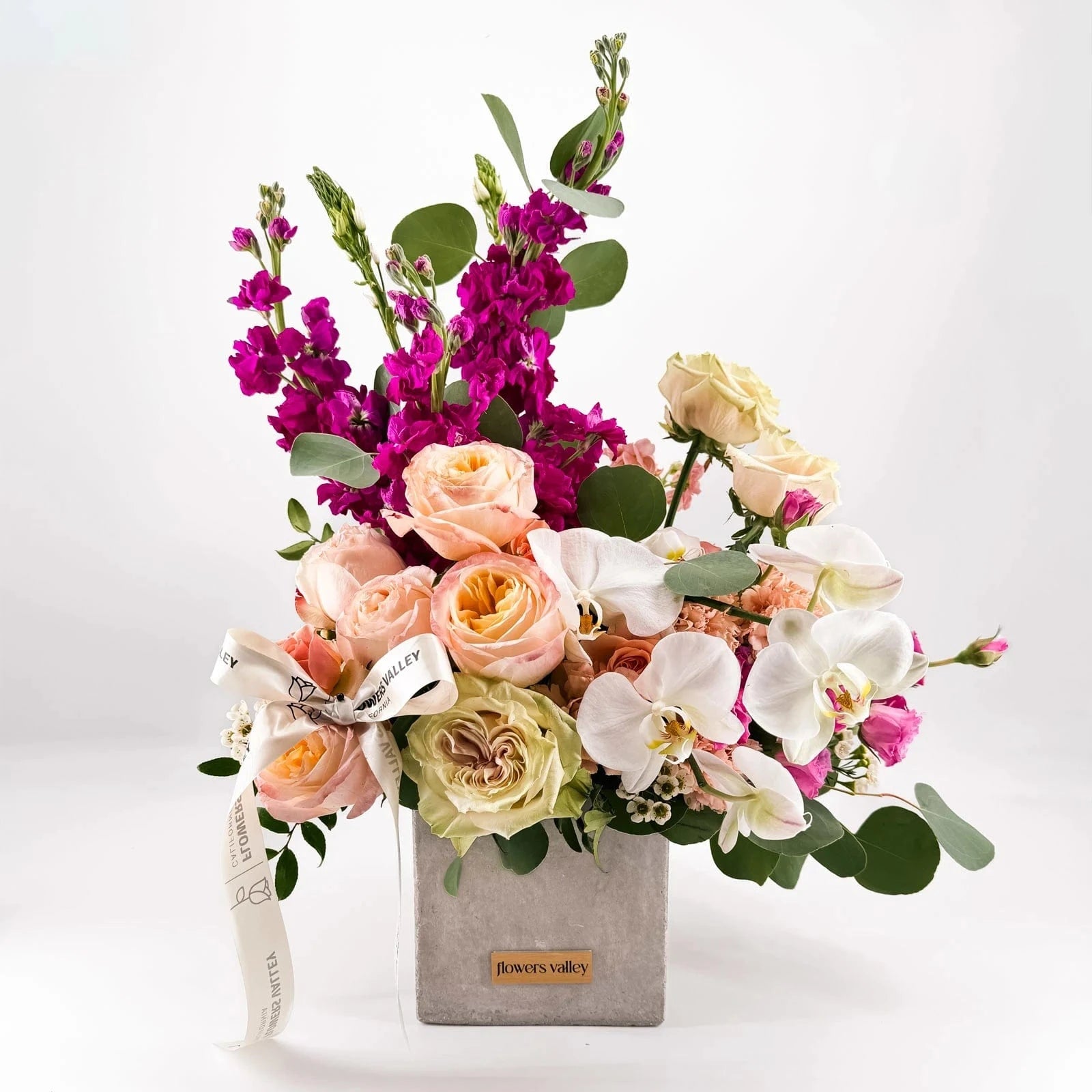
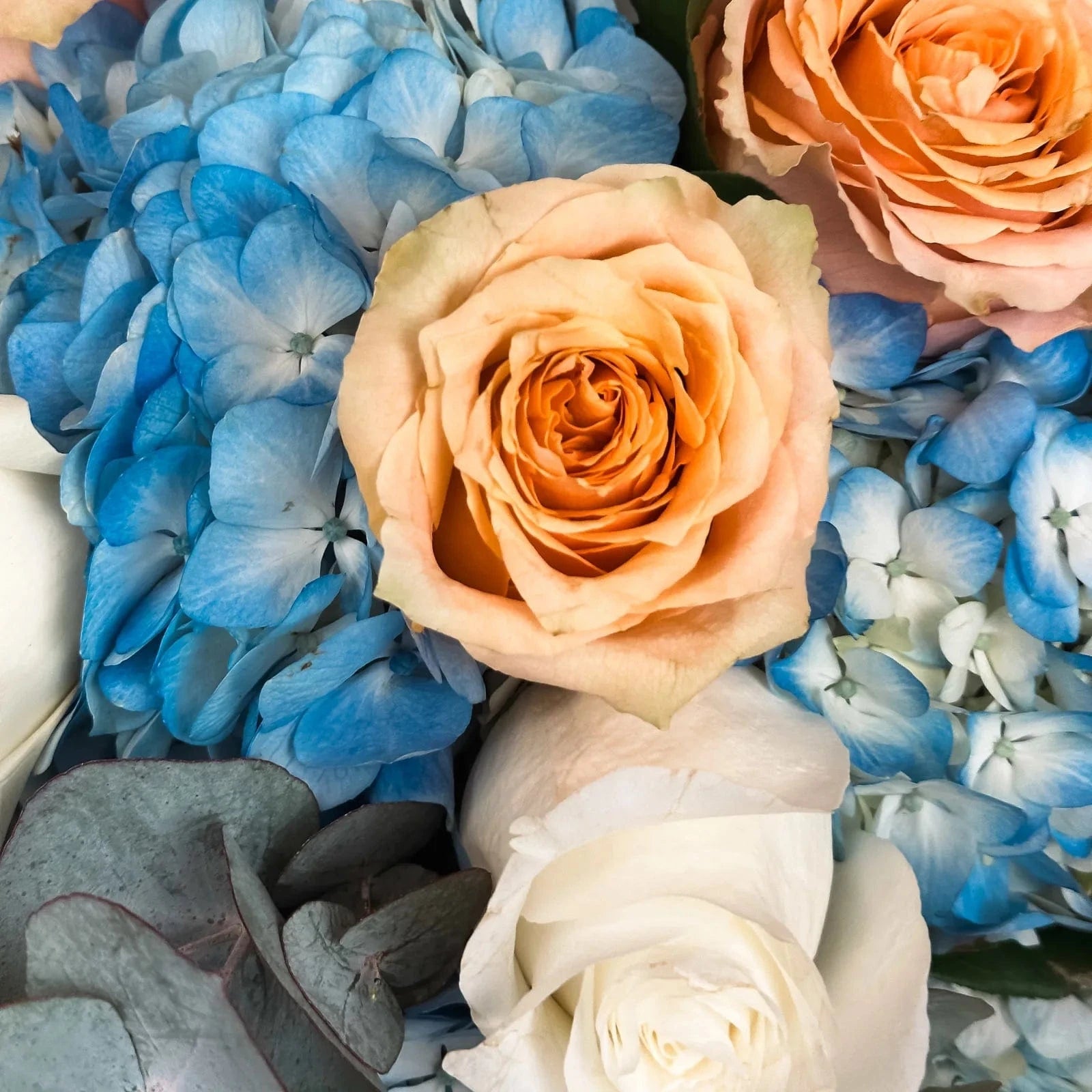
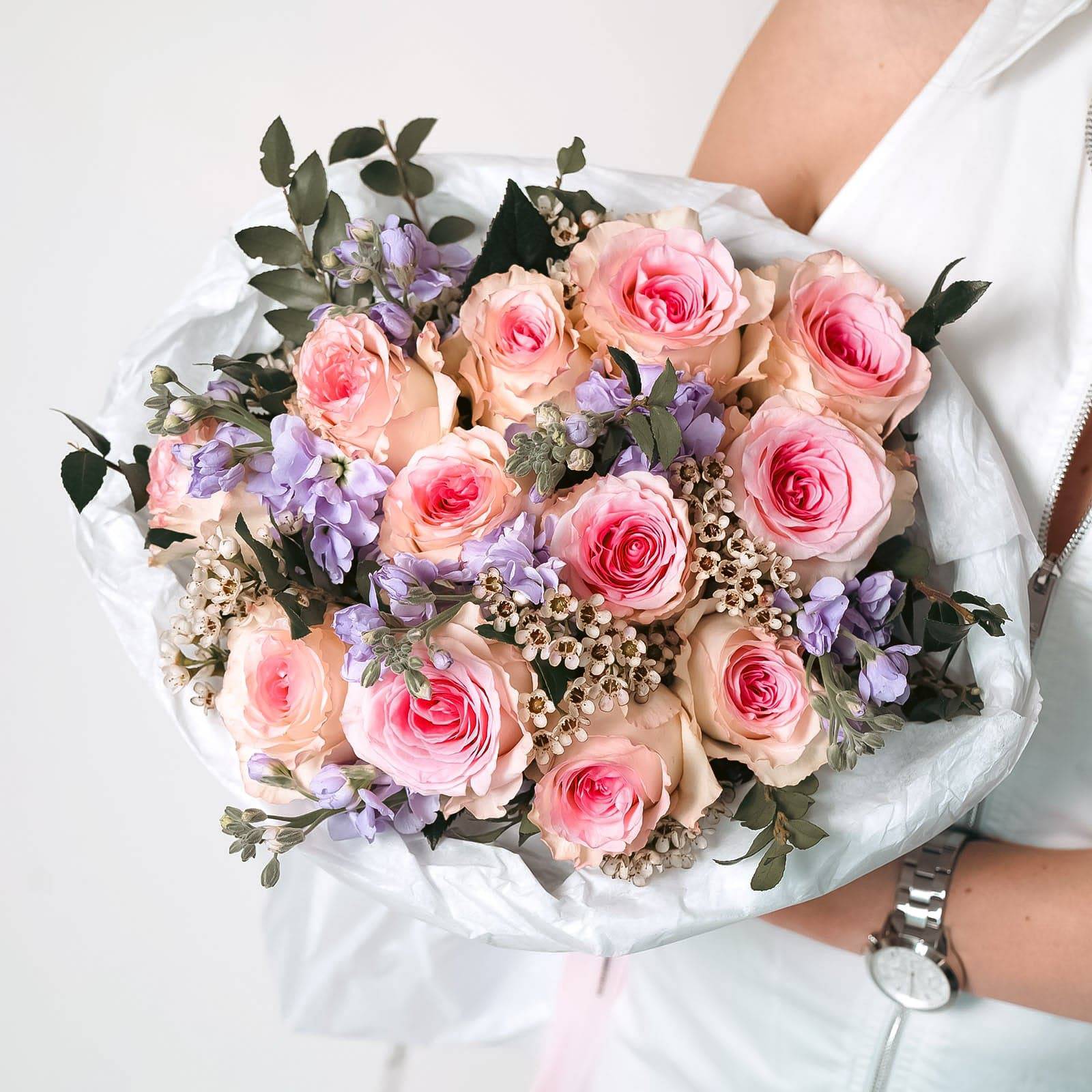
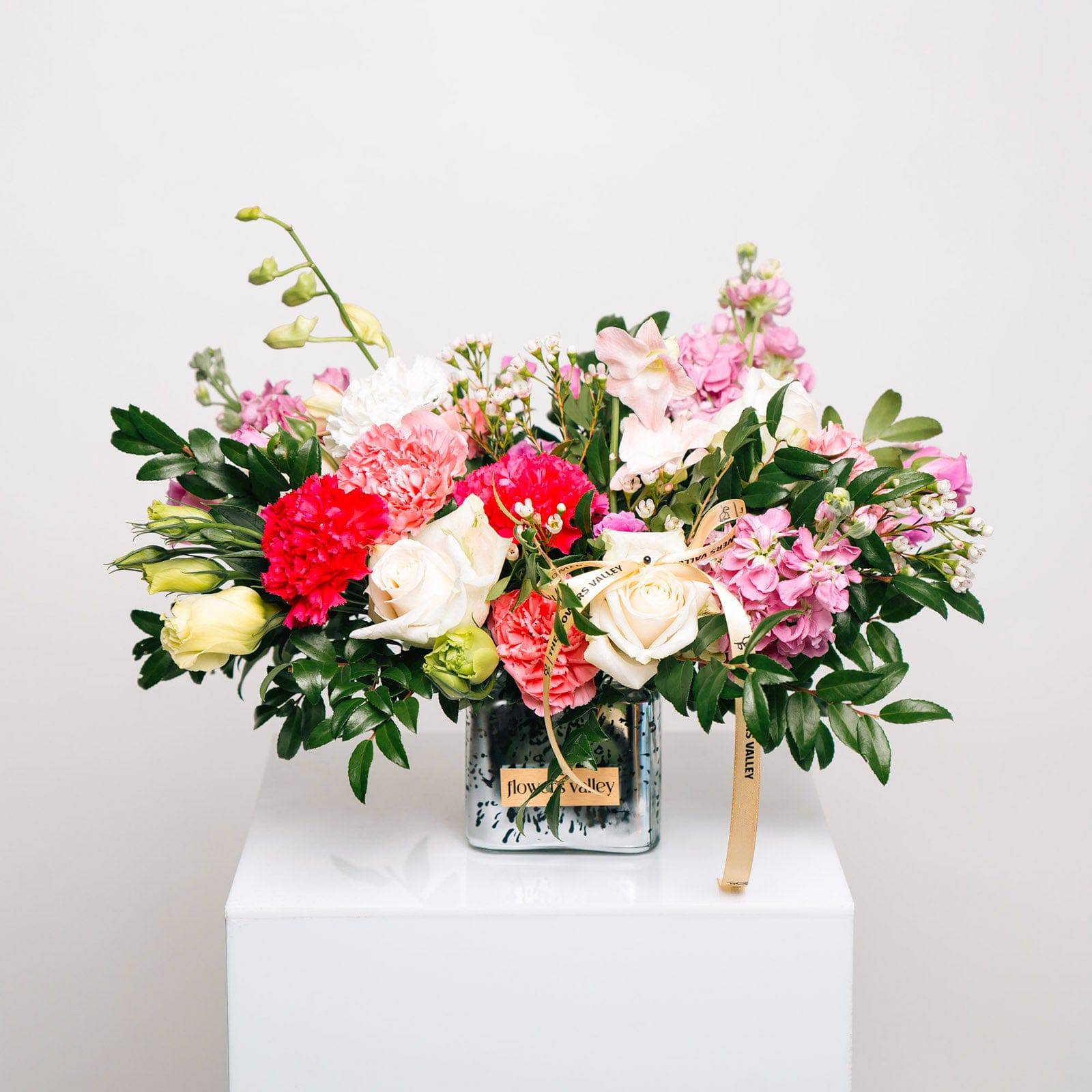
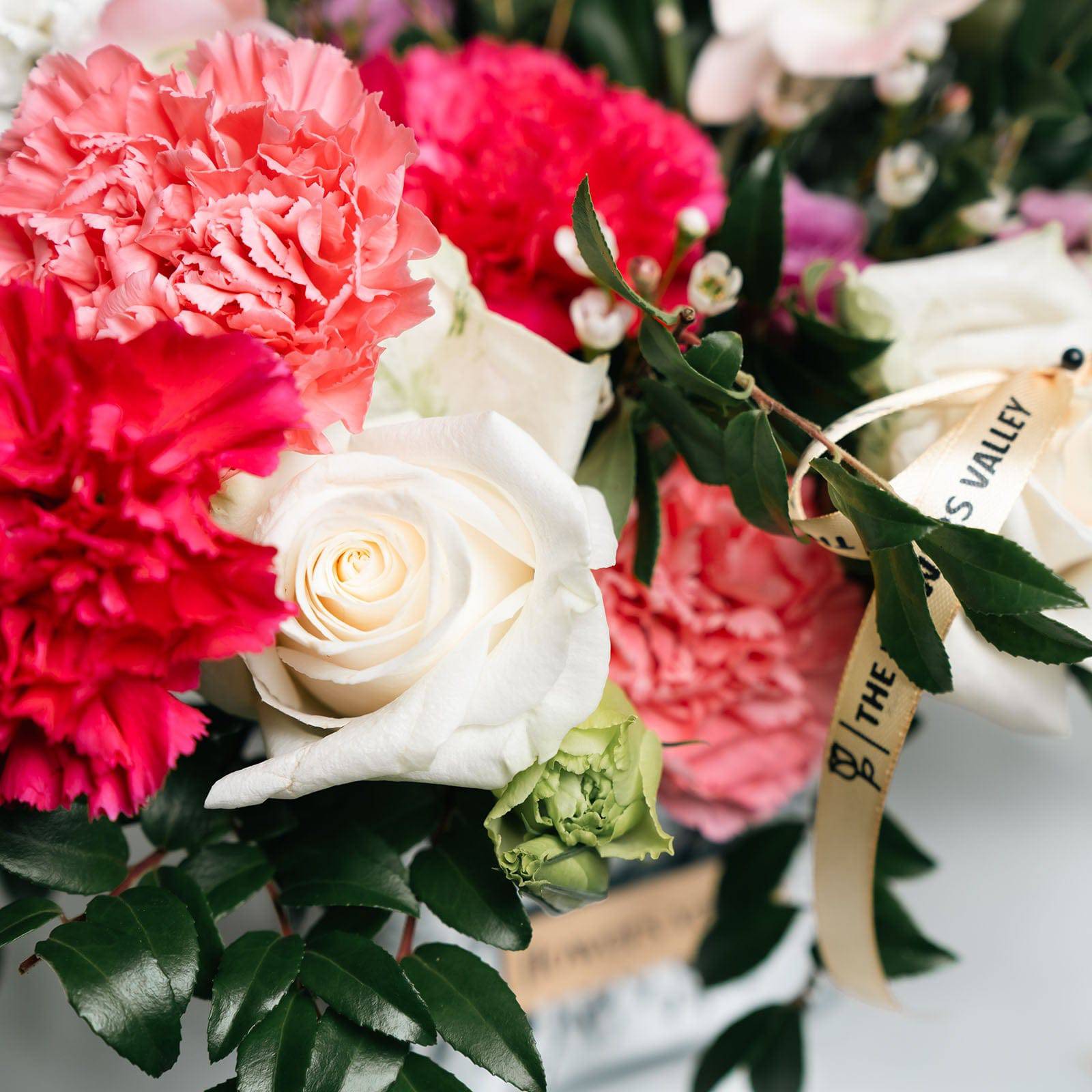
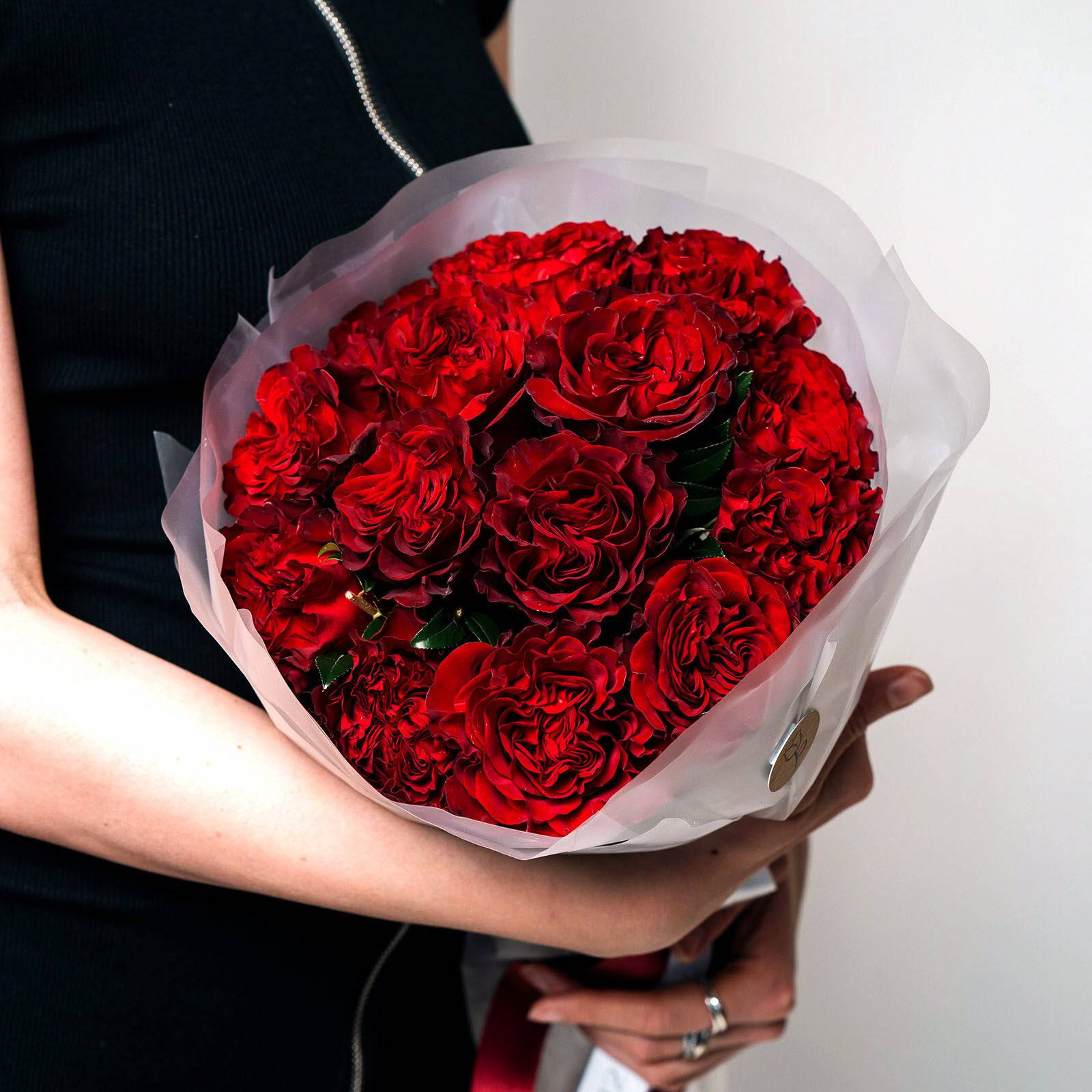
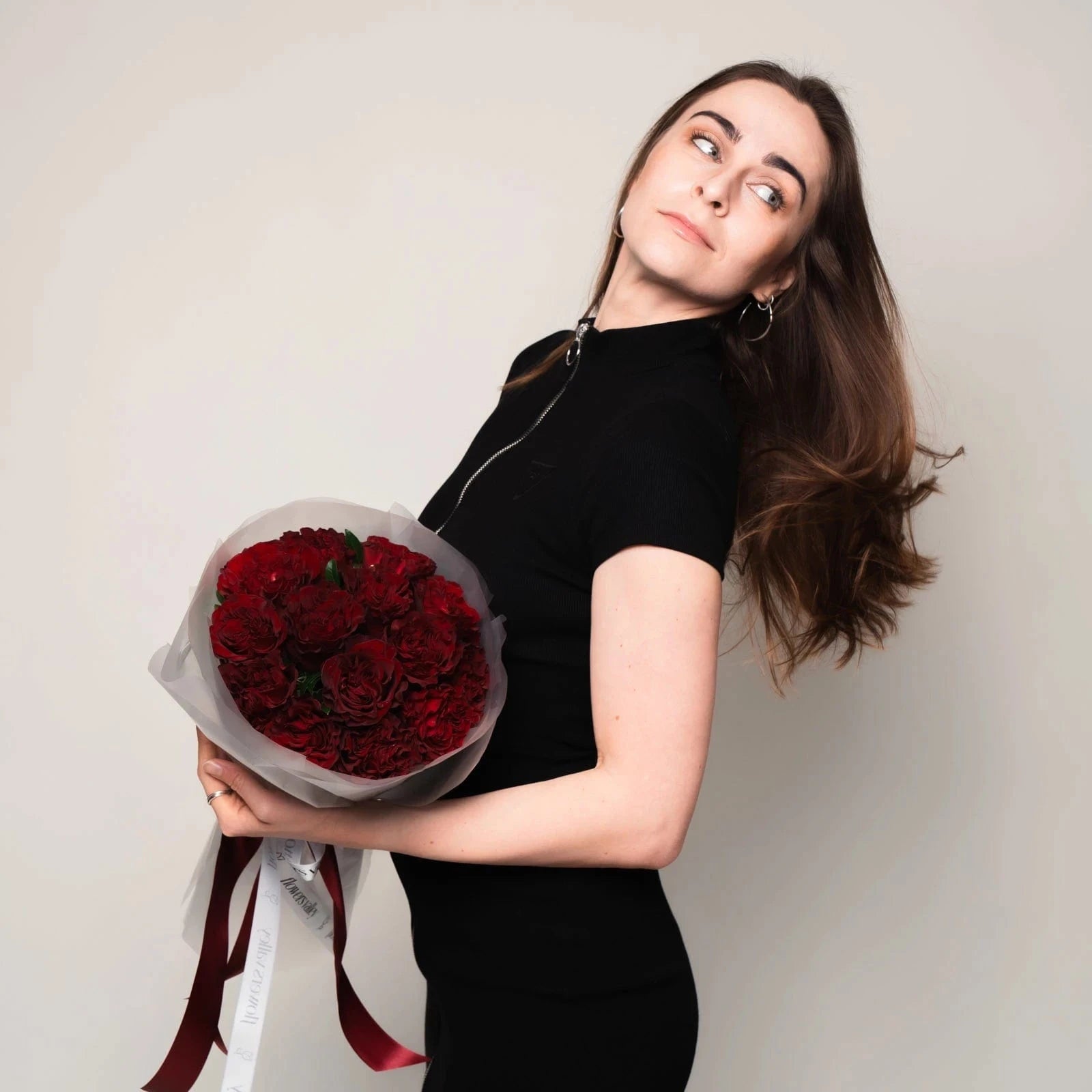
Some flowers hold their place on a feed not through trend cycles but through sheer visual weight. Roses sit at the top of that list — with over 80 million Instagram posts and counting, they remain the most instagrammable flowers across any era. What keeps them there is not familiarity alone; it is range. Pastel pink reads as soft and intimate. Deep red carries ceremony and drama. Creamy ivory fits the editorial minimalism that defines much of 2026's aesthetic direction. A single well-lit rose, slightly off-center in the frame, still stops the scroll.
Peonies occupy a different register. They arrive for a narrow window each spring and leave people wanting more. Their layered, loosely disheveled petals photograph with a fullness that few other blooms replicate — and the numbers reflect it. Peonies consistently rank among the most-saved flowers on Instagram, despite, or perhaps because of, their brief season. They hold equally well in a tight, bud-stage close-up as they do fully open and spilling past the edge of a vase.
Tulips complete the classic tier. Clean, architectural, versatile in color, they tend to photograph best just before full bloom, when the petals still hold their shape cleanly against a plain surface.


The 2026 Risers: Ranunculus, Dahlia, and the Hydrangea Moment
If there is one bloom that florists and photographers have been quietly returning to this year, it is ranunculus. The layered, tissue-paper petals hold light in the same way peonies do, but with a tighter, more structured form that reads sharply on camera — particularly in the burgundy, deep plum, and dusty rose tones that anchor what trend forecasters are calling the Opera Aesthetic for 2026. A cascading arrangement of burgundy ranunculus, tied with velvet ribbon, photographs with a theatrical weight that suits both editorial shoots and intimate, low-light interiors.
Dahlia is the other significant riser. The 2026 floral trend landscape has shifted noticeably toward mono-floral bouquets — building an arrangement around a single species rather than many. Dahlias are particularly suited to this approach. A massed cluster of café au lait dahlias, all the same variety and tone, creates a visual density that a mixed arrangement twice its size rarely matches. The new Dahlia Venti™ PinkBurst variety, generating significant industry attention in early 2026, adds a textural center that reads exceptionally well in close-up photography.
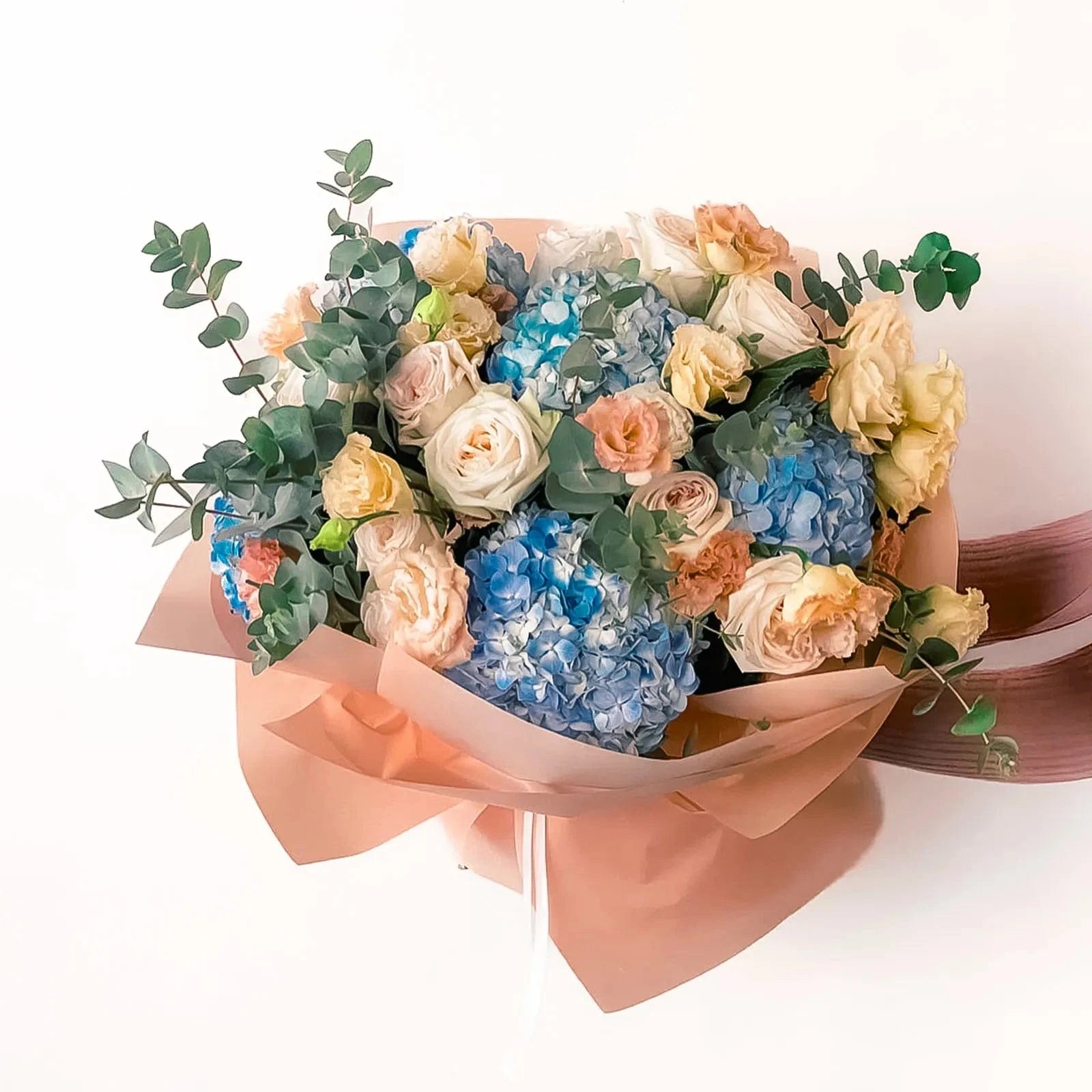
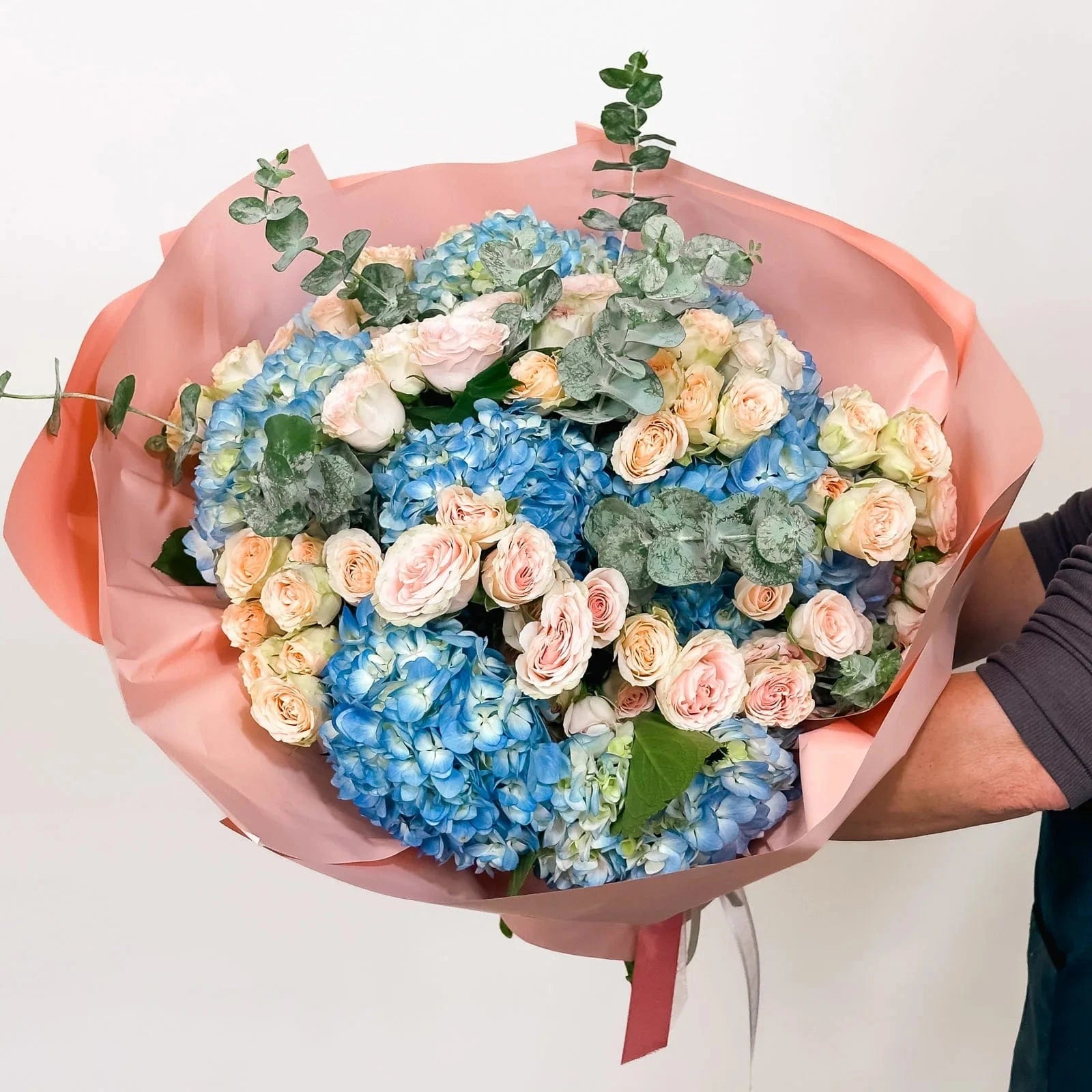
Hydrangea deserves its own note: FLOWER Magazine named the Fire Light Hydrangea its 2026 Flower of the Year. The bloom shifts gradually from vanilla white to deep burgundy as the season moves, meaning no two arrangements — and no two photographs of it — look quite the same.
The Ones Florists Have Always Known About (That Instagram Is Just Finding)
The most interesting photography often happens at the edges of the mainstream. These four blooms have long been considered essential by working florists but have only recently begun to appear with any frequency in editorial and social content. They are less saturated as hashtags, more distinctive in frame, and in some cases more genuinely photogenic than the flowers that dominate the popular feeds.
Anemone. The dark, near-black center of an anemone against white or blush petals creates a natural focal point that reads like a compositional decision rather than an accident. In the gothic romance and fairytale aesthetics that circulate strongly in 2026, anemones carry their own visual logic — as the accent that anchors a mixed arrangement, or as the sole subject of a spare, single-stem photograph.
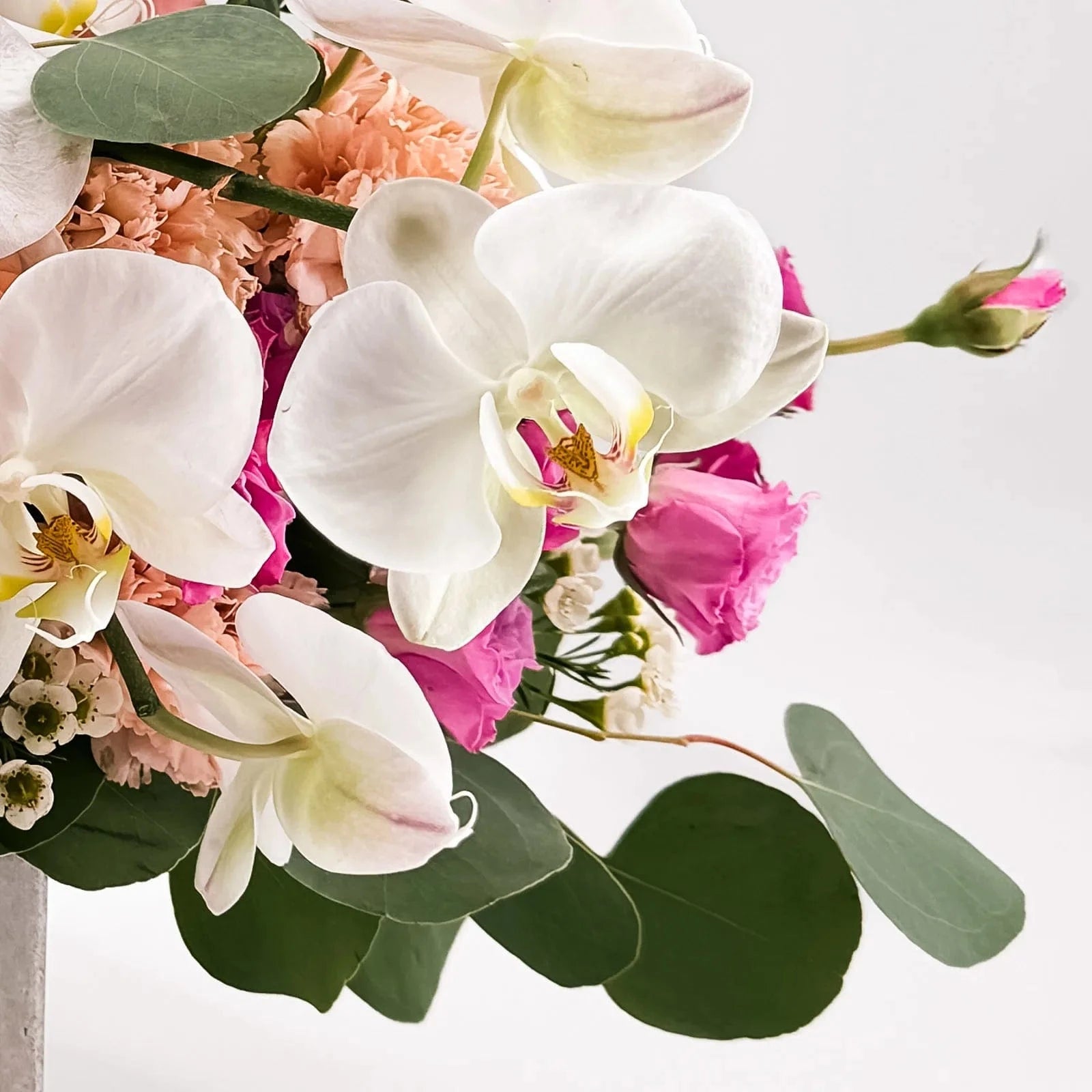
Lisianthus. Often mistaken for roses or peonies in photographs, lisianthus has a ruffled, layered quality that reads as soft luxury. In off-white, dusty lavender, and blush tones, it sits naturally within the earthy, neutral palettes central to 2026's aesthetic vocabulary. It photographs with more texture than a rose and more delicacy than a peony — a middle register that works especially well in diffused natural light.
Scabiosa. Sometimes called the pincushion flower, scabiosa has a loose, wildflower structure that photographs with an organic, unplanned quality. In dusty blue, pale mauve, and soft white, it adds depth and visual interest to an arrangement without competing with the focal bloom. It is particularly effective in close-up shots where fine texture and detail become visible.
Cosmos. Lightweight and airy, cosmos is deeply at home in the wildflower and meadow-core aesthetic shaping much of 2026's floral photography. A stem or two woven through mix bouquets softens the overall composition and gives arrangements a gathered, less constructed quality that photographs naturally and without effort.


Five Ways to Make Any Flower More Photogenic
The flower matters, but so does what surrounds it. These five approaches make a consistent difference regardless of the bloom.
Light from the side, not above. Natural light from a window positioned to the side of the arrangement creates gentle shadow and depth. Overhead light — and especially overhead electric light — flattens petals and washes out color.
Move the bouquet off-center. Placing the arrangement to one side of the frame, leaving open space in the rest of the image, gives the photograph room to breathe. Centered compositions often read as product shots rather than something more considered.
Choose plain surfaces. Linen, wood, marble, or a clean painted wall allows the flower's color and form to hold attention. Busy or patterned backgrounds divide the eye and reduce the impact of the bloom.
Shoot a single stem. A single stem in a small vessel can be more effective than a full arrangement for close-up work. This is where mono bouquets earn their place — one species, one clear visual statement.
Work with the pastel palette. The Nostalgic Lens trend in 2026 has elevated soft, muted pastels — blush, sage, dusty lilac — as the dominant palette for flower photography. These tones hold natural light consistently and tend to perform well across different phone cameras and editing preferences.
Where to Find Photo-Ready Flowers in the Bay Area
Finding the right flower for a photograph means finding a florist who carries the full range — not only the reliable classics that appear in every arrangement, but also the less common blooms that give an image its character.
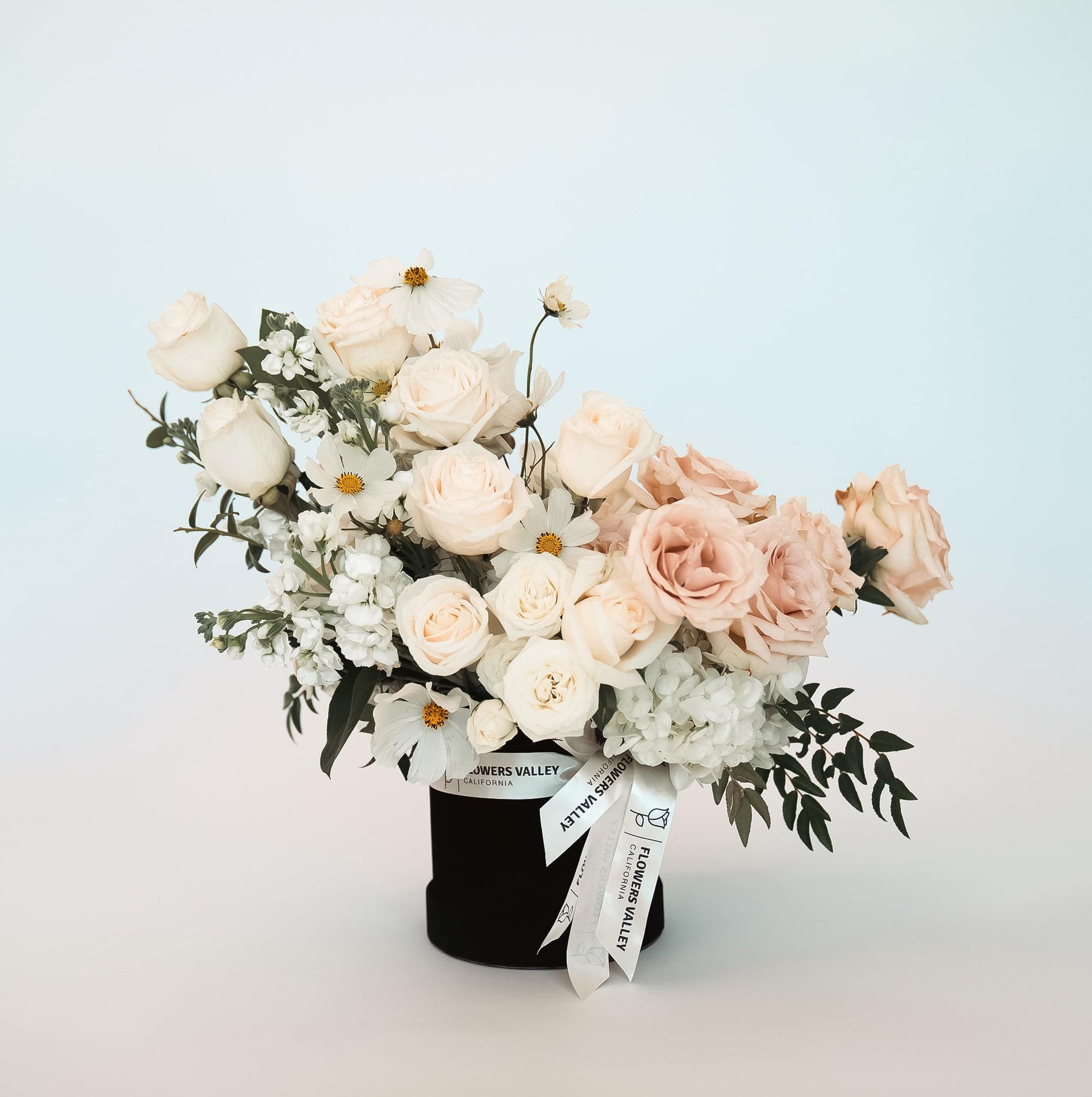
At Flowers Valley, we source from both ends of that spectrum. Whether the brief calls for roses, peonies, or ranunculus, or for something less expected — anemone, lisianthus, scabiosa — the intention behind each arrangement is the same: flowers chosen with care, composed with purpose.
For spontaneous shoots and last-minute arrangements, same-day flower delivery is available across the San Francisco Bay Area, with options spanning structured seasonal bouquets and the more editorial, single-species arrangements that photograph best.


Frequently Asked Questions
What are the most instagrammable flowers right now?
Roses remain the most photographed flower on Instagram, with over 80 million posts. Peonies follow closely during their spring season, prized for their layered, lush petals. In 2026, ranunculus and dahlia have emerged as notable risers — particularly in the context of the mono-floral and Opera Aesthetic trends. For something less expected, anemone, lisianthus, and scabiosa are appearing with increasing frequency in editorial and professional flower photography.
Which flowers are trending in 2026?
Ranunculus, dahlia, and hydrangea are the clearest risers, supported by broader 2026 trends around mono-floral arrangements, pastel palettes, and the theatrical Opera Aesthetic. The Fire Light Hydrangea was named FLOWER Magazine's 2026 Flower of the Year for its season-long color shift from white to deep burgundy.
What are some unusual flowers that photograph beautifully?
Anemone, with its dramatic dark center and papery petals, photographs with strong natural contrast. Lisianthus offers a ruffled, peony-like texture in soft neutrals. Scabiosa brings a loose, wildflower structure in dusty blue and mauve tones. Cosmos adds airy, meadow-core movement to any frame. All four carry far less hashtag saturation than the mainstream favorites and tend to stand out more in photographs for exactly that reason.
Where can I find photo-ready flowers with same-day delivery in the Bay Area?
Flowers Valley offers same-day flower delivery across the San Francisco Bay Area, with a range that covers both the classic Instagram favorites and the more editorial blooms currently shaping 2026's floral aesthetic. Browse the full collection at flowersvalley.com.




0 comments